By Muhammad Mamman
A new report has warned that Nigeria’s education sector is on the brink of deeper crisis, as a ₦290 billion shortfall in the 2025 budget allocation for teachers’ salaries threatens the quality of learning for millions of students.
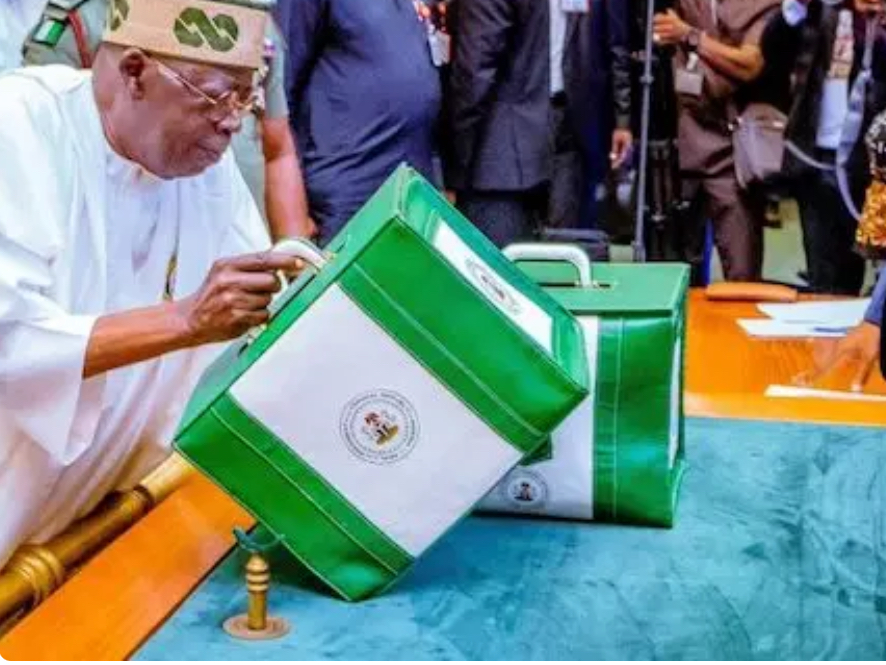
The federal government earmarked ₦3.5 trillion – about 7 percent of its ₦54.99 trillion national budget – for education. Out of this, ₦1.64 trillion was set aside for personnel costs, including teachers’ salaries. However, the amount required to fully cover salaries is ₦1.93 trillion, leaving a gaping deficit.
The study, titled “The Hole in Nigeria’s Education Budget” and published by UK-based research group Column, paints a grim picture: 2.3 million teachers serving 32 million students are already grappling with poor welfare, shortages in rural areas, and inadequate teaching resources.
“Underfunding in infrastructure, remuneration, and educational materials has crippled the ability to attract and retain qualified teachers,” the report said. “This gap undermines the goal of providing quality education in a country with one of the fastest-growing youth populations in the world.”
A recurring problem
The report notes that this shortfall is not new. In 2024, the government allocated ₦1.59 trillion to education, but teacher salaries alone required more than the ₦1.04 trillion earmarked. Analysts say the trend highlights chronic underinvestment that is steadily eroding teacher motivation and educational outcomes.
With Nigeria’s minimum wage now at ₦70,000, the Teachers Registration Council of Nigeria (TRCN) estimates that even current staffing levels are unsustainable without urgent funding increases.
Wider consequences
The implications go beyond classrooms. According to the report, illiteracy rates of up to 31 percent – representing nearly 62 million people – weaken Nigeria’s democratic process, fuel poor governance, and increase vulnerability to extremism.
“A population unable to critically assess information is easier to manipulate politically,” the report warned. “This not only entrenches corruption and poor governance but also poses a long-term security threat. An illiterate youth population is particularly vulnerable to radicalisation and extremist recruitment.”
Nigeria’s literacy rate, estimated at between 69 and 77 percent, lags behind neighbouring Ghana, which stands at about 80 percent. Experts say this educational gap could widen unless urgent action is taken.
Calls for reform
The report urges the government to raise education funding beyond the current 7 percent allocation — far below UNESCO’s recommended 15–20 percent — by tapping into recovered misappropriated funds and prioritising teacher welfare.
“Teachers are the backbone of national development. Without addressing their welfare, Nigeria risks a generational setback,” the report concluded.
Leave a Reply
You must be logged in to post a comment.