By Muhammad Mamman
Nigeria’s political stage took an unexpected turn this week as two senior ministers abandoned their portfolios to issue stark warnings to the opposition ahead of the 2027 presidential race.
Festus Keyamo, Minister of Aviation and Aerospace Development, fired the opening shot on X last Sunday, cautioning the Peoples Democratic Party (PDP) against fielding former President Goodluck Jonathan.
“If the PDP makes the mistake of presenting Jonathan as its candidate in 2027, they risk ending up without a candidate at all,” Keyamo declared, stressing that any legal challenge to Jonathan’s eligibility would be settled at the Supreme Court, not on social media.
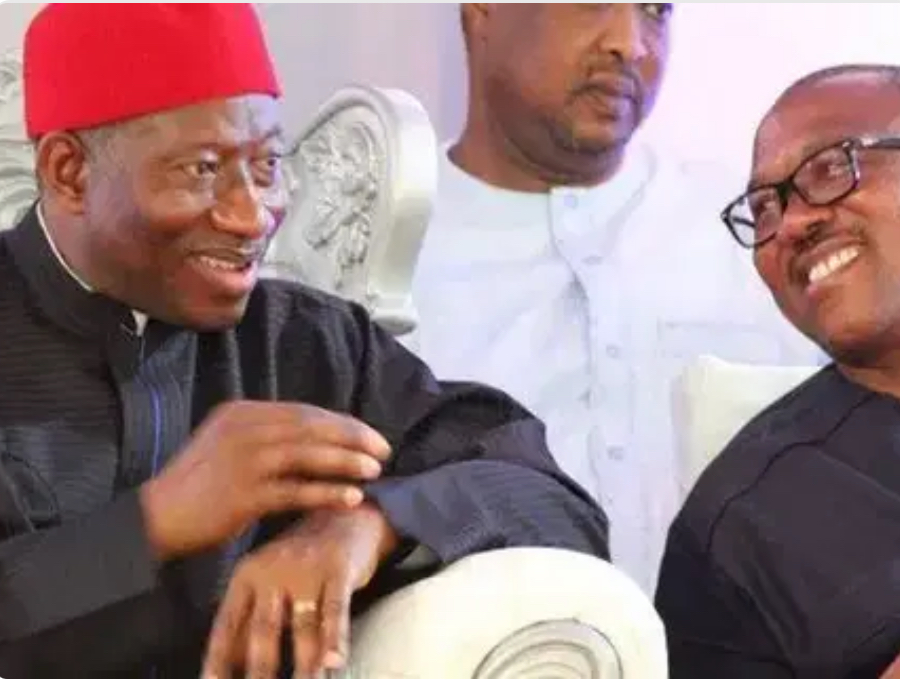
He further dismissed speculation of a Jonathan–Peter Obi alliance, claiming principled supporters of the Labour Party leader would see it as a betrayal. “Only those without ideological depth would back him,” he mocked, before blaming PDP’s woes on its unresolved zoning crisis.
A day later, Nyesom Wike, Minister of the Federal Capital Territory and a member of the PDP’s National Executive Committee, doubled down during a fiery media briefing in Abuja.
“These people’s ambition can even make you go to Satan’s house. If you want to destroy this party, dare to bring Peter Obi,” the former Rivers State governor thundered.
His blunt warning – “If you make the mistake, you will regret it” – reverberated across the political spectrum.
Backlash and Irony
The backlash was immediate. Timothy Osadolor, PDP Deputy National Youth Leader, condemned Keyamo’s comments as “reckless and unbecoming of a minister”. Atiku Abubakar’s spokesperson, Paul Ibe, said the remarks betrayed the ruling party’s fear of formidable opposition candidates.
On Arise TV, veteran journalist Reuben Abati turned his fire on Wike: “Wike is not in a position to talk about character. If he does, he must first question his own.”
Rather than weakening the PDP, the ministers’ interventions appeared to highlight the ruling All Progressives Congress’s (APC) growing anxiety.
Fear Behind the Rhetoric
Legal experts suggested Keyamo’s warning revealed a clear APC strategy: to derail a Jonathan candidacy in court.
Chidi Odinkalu, a legal scholar, painted a stark picture: “The script is simple – sue Jonathan, the PDP, and INEC; stall proceedings until the eve of the election; then secure a judgment knocking Jonathan off the ballot. Any serious threat to the incumbent would have been judicially extinguished.”
The fact that such legal manoeuvres were openly hinted at only underscored APC’s nervousness about Jonathan’s potential appeal.
Wike’s outburst against Obi, meanwhile, laid bare unease over the former Anambra governor’s enduring grassroots influence, particularly among younger Nigerians.
Legal Firestorm
The warnings have reignited fierce debate among lawyers and scholars over Jonathan’s eligibility.
Some, like Prof. Cyprian Edward-Ekpo, insist Jonathan retains the constitutional right to contest, while others point to the 2017 constitutional amendment barring anyone who has completed another’s term from seeking more than a single elected term.
The competing interpretations suggest Jonathan’s candidacy, if declared, would almost certainly spark a courtroom battle.
What the Ministers Really Revealed
Ultimately, the ministers’ outbursts revealed more than they intended:
- Anxiety in APC ranks about opposition heavyweights like Jonathan, Obi, or even Rotimi Amaechi.
- Fragility of Nigeria’s democracy, where courts, rather than ballots, could decide the fate of candidates.
- A legitimacy problem – as serving ministers appear more preoccupied with the opposition than with governance.
What Keyamo and Wike framed as political advice has been widely read as political panic. Their interventions inadvertently affirmed the opposition’s relevance and the unpredictability of 2027.
For Jonathan, the question is whether to risk judicial ambush or preserve his elder statesman image. For Obi, it is whether a PDP return would strengthen or fracture his base. For the APC, it is how to mask anxiety without turning ministers into opposition spokespersons.
In the end, the presidency of 2027 will not be settled by tweets, press conferences, or legal brinkmanship. It will be determined by Nigerian voters – millions of them – in a country where surprises remain the only certainty.
Leave a Reply
You must be logged in to post a comment.