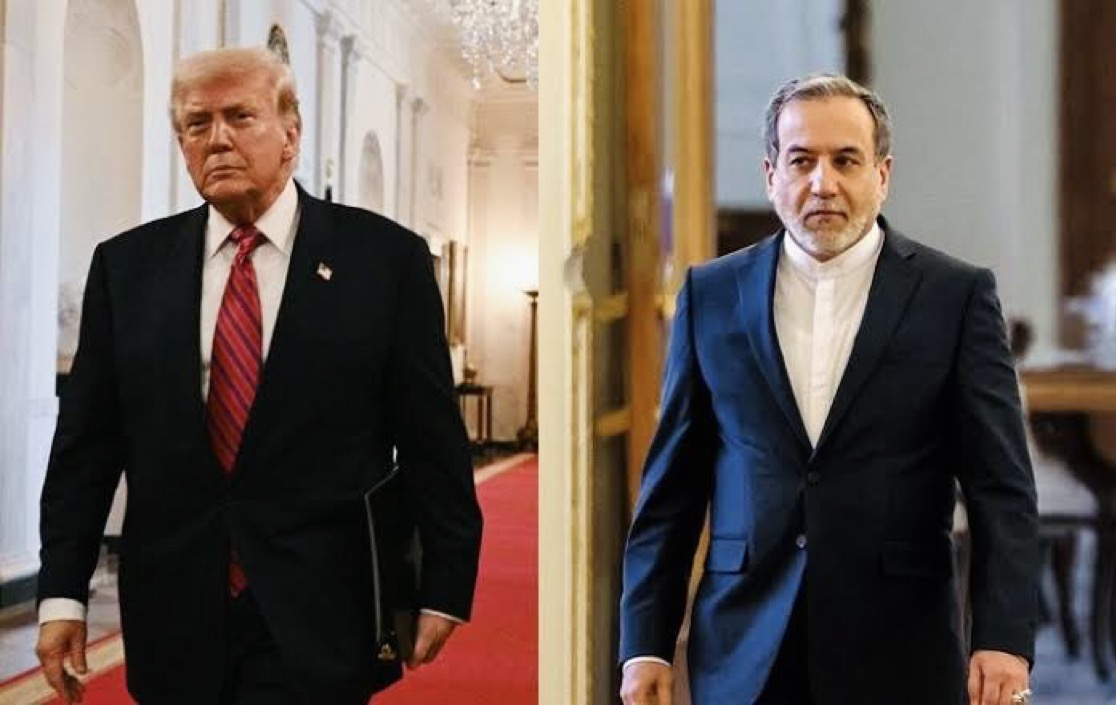
A proposed two-tier peace plan to end hostilities between the United States and Iran could come into effect as early as Monday, potentially reopening the Strait of Hormuz – a critical chokepoint for global oil supplies – according to a source cited by Reuters.
The framework, brokered by Pakistan and shared with both sides overnight, outlines an immediate ceasefire followed by a broader comprehensive agreement to be finalised within 15 to 20 days.
Under the proposal, known informally as the “Islamabad Accord,” the ceasefire would take effect right away, allowing the Strait of Hormuz to reopen for international shipping. The longer-term deal is expected to include curbs on Iran’s nuclear programme in exchange for sanctions relief and the release of frozen assets.
The development comes amid heightened tensions, with US President Donald Trump issuing strong warnings to Tehran, including threats of further strikes if the strait remains closed, and setting a Tuesday deadline for progress.
Iran has previously signalled reluctance to reopen the waterway immediately without guarantees of a more permanent ceasefire and security assurances.
The Strait of Hormuz, which carries about one-fifth of the world’s seaborne oil trade, has been effectively shut down by Iran in recent weeks amid escalating conflict, triggering sharp spikes in global energy prices and raising fears of a wider economic fallout.
Regional mediators, including Pakistan, Egypt and Turkey, have been actively involved in shuttle diplomacy to de-escalate the situation.
Neither Washington nor Tehran has issued an official comment on the latest proposal as of Monday morning.
Analysts say any breakthrough could ease pressure on global oil markets, but scepticism remains high given the deep mistrust between the two sides and ongoing violence in the region.
Leave a Reply
You must be logged in to post a comment.