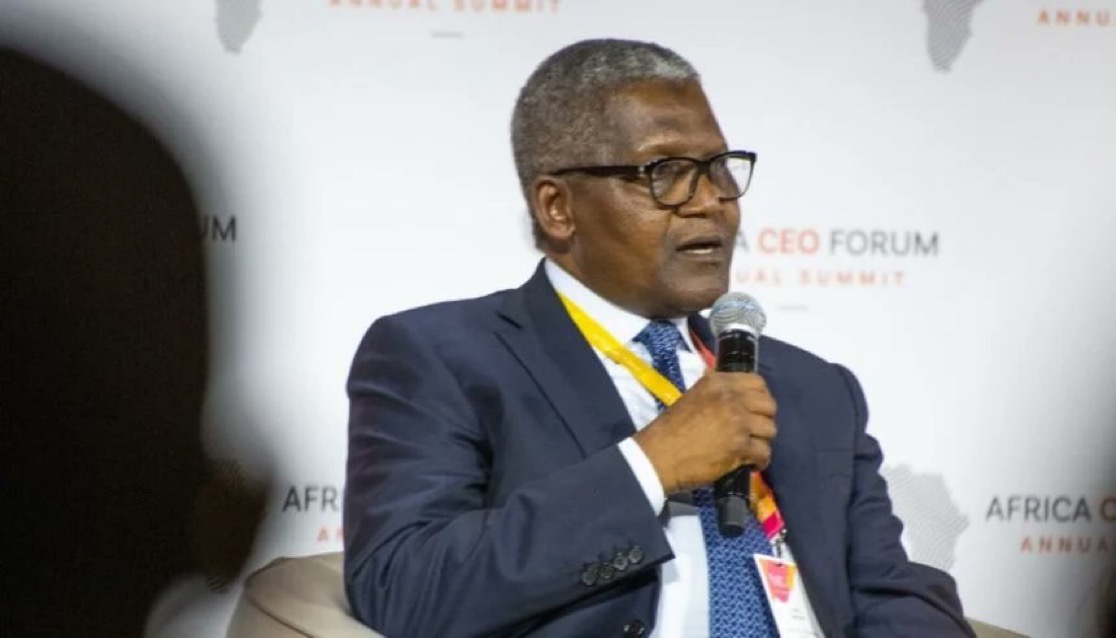
East African tycoon’s move highlights rising investor confidence in one of Africa’s biggest industrial ventures
Tanzania’s richest businessman, Mohammed Dewji, has expressed his willingness to invest $100 million in Aliko Dangote’s ambitious $17 billion refinery project, signalling growing confidence in the landmark energy venture expected to reshape Africa’s oil and gas landscape.
According to a report by Bloomberg, Dewji’s proposed investment reflects increasing interest from regional and international investors in the refinery project, which is being developed by Nigerian billionaire Aliko Dangote and is positioned as one of the continent’s largest industrial undertakings.
The move by the Tanzanian business mogul comes as African investors seek greater participation in strategic infrastructure projects aimed at reducing the continent’s dependence on imported petroleum products and strengthening regional energy security.
The Dangote refinery, located in Lagos, Nigeria, is designed to become one of the world’s largest single-train oil refineries, with the capacity to process hundreds of thousands of barrels of crude oil daily. The multibillion-dollar facility is expected to boost fuel supply across Africa, create thousands of jobs and transform Nigeria into a major player in the global energy market.
Dewji, who built his fortune through investments spanning manufacturing, agriculture, logistics and financial services, is regarded as one of East Africa’s most influential entrepreneurs. His potential investment further underscores the growing appetite among African business leaders to support large-scale projects capable of driving economic transformation on the continent.
The proposed investment comes at a time when African governments and private sector players are pushing for deeper economic integration, with energy independence and industrial development remaining key priorities.
Analysts say increased participation from prominent African investors could strengthen confidence in the refinery’s long-term prospects and encourage more capital flows into major infrastructure projects across the continent.
Leave a Reply
You must be logged in to post a comment.