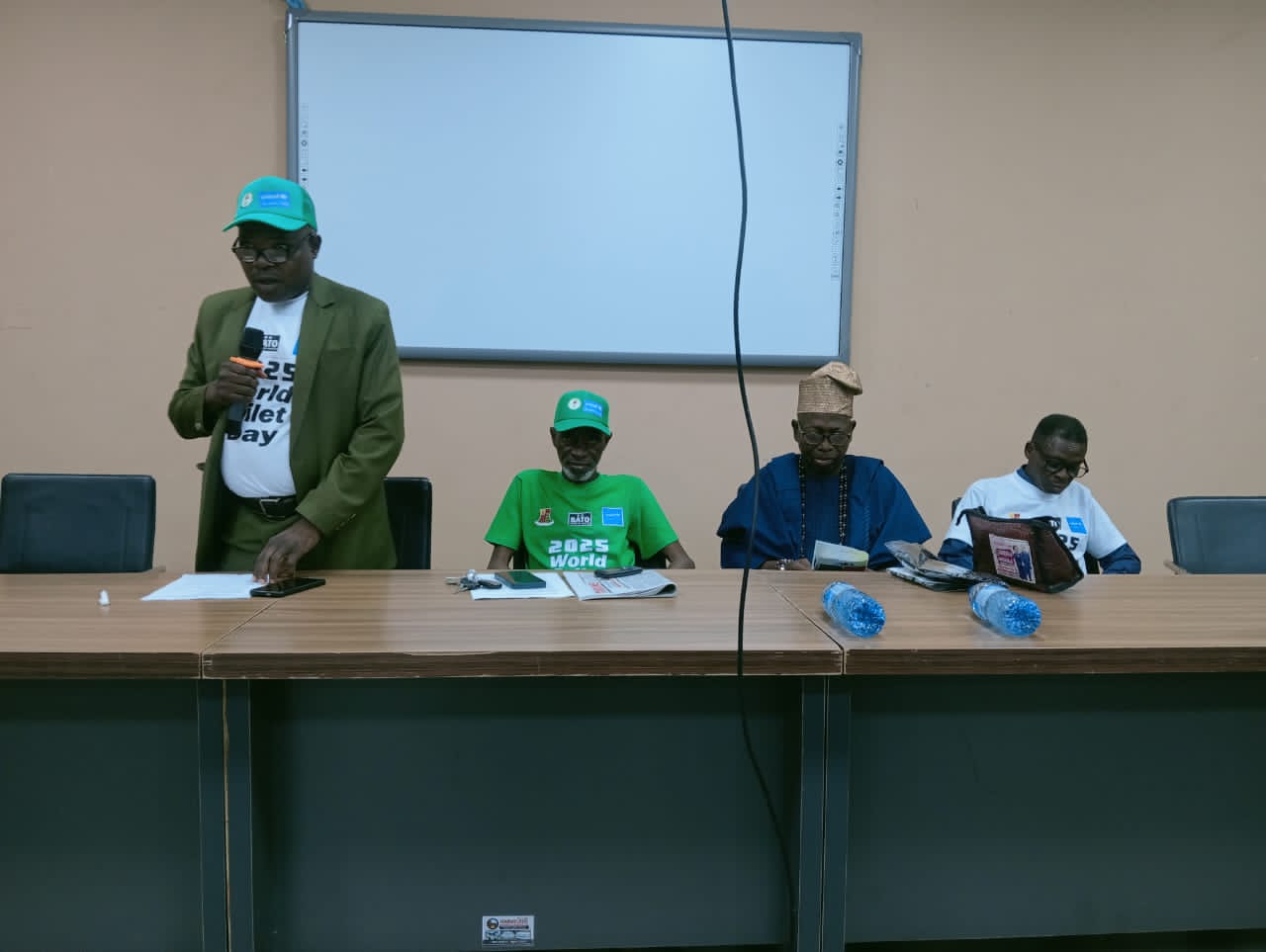
The Oyo State Government has issued a stark warning, declaring that safe toilets are not a luxury but “life-saving infrastructure” essential for public health and human dignity. This urgent call to action was made during the 2025 World Toilet Day celebration held in Ibadan, with the state collaborating with UNICEF and sanitation technology company SATO to tackle a crisis affecting millions.
Under the theme “We’ll Always Need the Toilet,” officials and experts gathered at the Local Government Staff Training School Conference Hall to chart a course towards ending open defecation in Oyo State by 2028.
The Chairman of the State Rural Water Supply and Sanitation Agency (OYORUWASSA), Alhaji Babalola Afobaje, underscored the non-negotiable importance of functional sanitation. He stated that the need for dignified sanitation systems is permanent and critical for climate resilience and environmental protection.
“We commend existing partnerships particularly with UNICEF for progress in driving the Open Defecation Free (ODF) campaign across Oyo State,” Afobaje said. “However, we must intensify efforts to deliver climate-resilient sanitation systems and achieve a total end to open defecation by 2028.”
Echoing the chairman’s sentiments, the General Manager of OYORUWASSA, Mr. Adeniyi Adeduntan, reaffirmed that access to safe toilets remains a constant human necessity. He explained that proper sanitation must be woven into the fabric of long-term government planning and budgeting.
Adeduntan highlighted the severe consequences of failing to do so, pointing to pollution, disease outbreaks, and the disproportionate impact on women and girls.
“Women and girls are disproportionately affected through heightened risks of abuse, poor health outcomes, and school absenteeism due to the absence of safe and hygienic toilets,” Adeduntan stated. “Toilets are a basic human right and form the foundation for public health, gender equality, and sustainable development.”
A keynote presentation by Mr. Victor Oyejide, Co-founder of Recycledge, put a sharp focus on this educational crisis. He outlined the grim reality for vulnerable groups, particularly schoolgirls, who lack access to clean facilities.
“Many schoolgirls miss classes during their menstrual periods due to inadequate WASH facilities,” Oyejide revealed, urging a significant increase in investment for innovative sanitation solutions from both the government and private sector. He also called on the public to adopt better hygiene practices.
The day-long workshop aimed to review the state’s sanitation status, identify gaps, and forge new strategies. Stakeholders expressed confidence that the collaborations formed would accelerate the drive for an Open Defecation Free Oyo State, transforming a basic need into a universal reality for all residents.
Leave a Reply
You must be logged in to post a comment.