By Muhammad Mamman
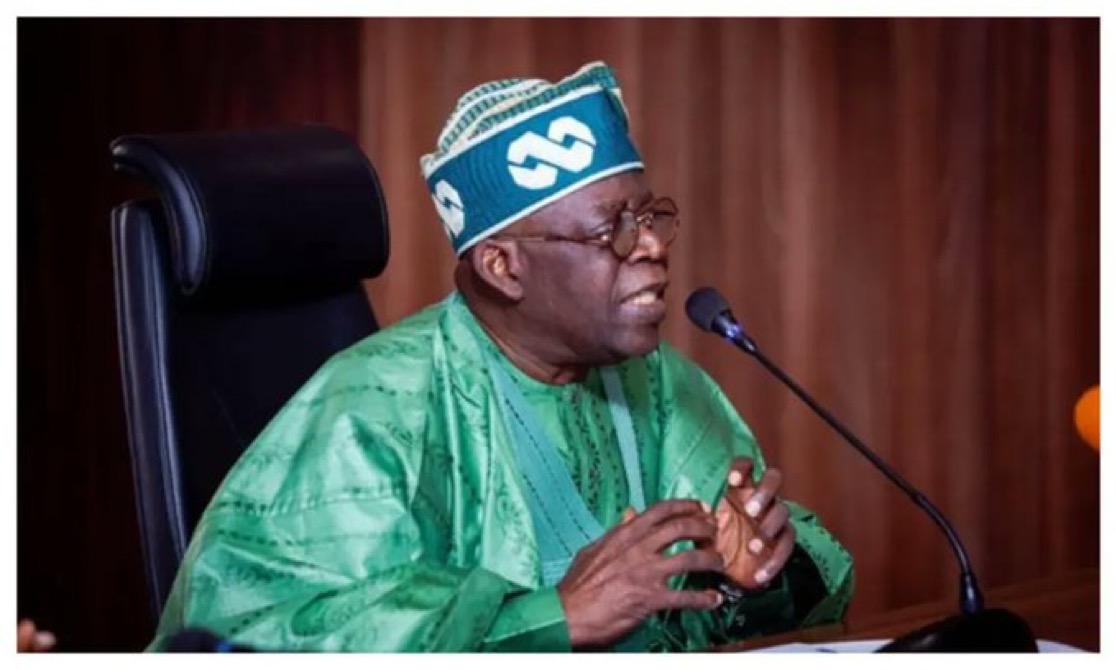
President Bola Tinubu has called for the creation of community-based security committees across Nigeria as part of a broader strategy to enhance peace, stability, and early conflict detection at the grassroots level.
Speaking during a high-level security briefing in Abuja, the President emphasised that local communities are best positioned to detect unusual activities, prevent escalation, and assist formal security agencies in maintaining law and order.
“These committees will serve as the eyes and ears of our security forces, helping to build trust between citizens and the state while addressing threats before they grow,” Tinubu stated.
The proposed security structure would involve local leaders, youth groups, religious institutions, traditional rulers, and civil society organisations, working collaboratively to identify early warning signs of unrest, crime, or extremist activity in their areas.
President Tinubu noted that insecurity remains a major challenge across several parts of the country, including rural and border communities that are often underserved by conventional security forces. He said the new initiative would complement existing federal and state-led operations, improving intelligence gathering and fostering local ownership of security solutions.
The plan has received cautious support from security experts, who say localised security efforts — if properly coordinated and regulated — could fill critical gaps in Nigeria’s overstretched policing system.
However, some have warned of the need to ensure the committees do not become politicised or manipulated by local power brokers.
Presidential aides confirmed that a framework for the rollout of the community-based committees is currently being developed, with pilot schemes expected to begin in selected high-risk areas by early 2026.
The initiative reflects the Tinubu administration’s focus on decentralised governance and its push for more inclusive, citizen-driven approaches to national security.
Leave a Reply
You must be logged in to post a comment.