By Muhammad Mamman
Iran’s powerful clerical body responsible for appointing the country’s highest authority has reportedly selected a new Supreme Leader, though officials have yet to publicly reveal the identity of the successor.
Members of the 88-member Assembly of Experts — the institution constitutionally mandated to choose Iran’s top political and religious authority — said a majority consensus has been reached on who will replace the late Ayatollah Ali Khamenei. However, the name of the chosen figure has not yet been officially announced. 
According to Iranian media reports cited by Reuters and AFP, senior clerics confirmed that the vote to appoint a new leader had already taken place, but the formal announcement will be made later by the assembly’s secretariat. 
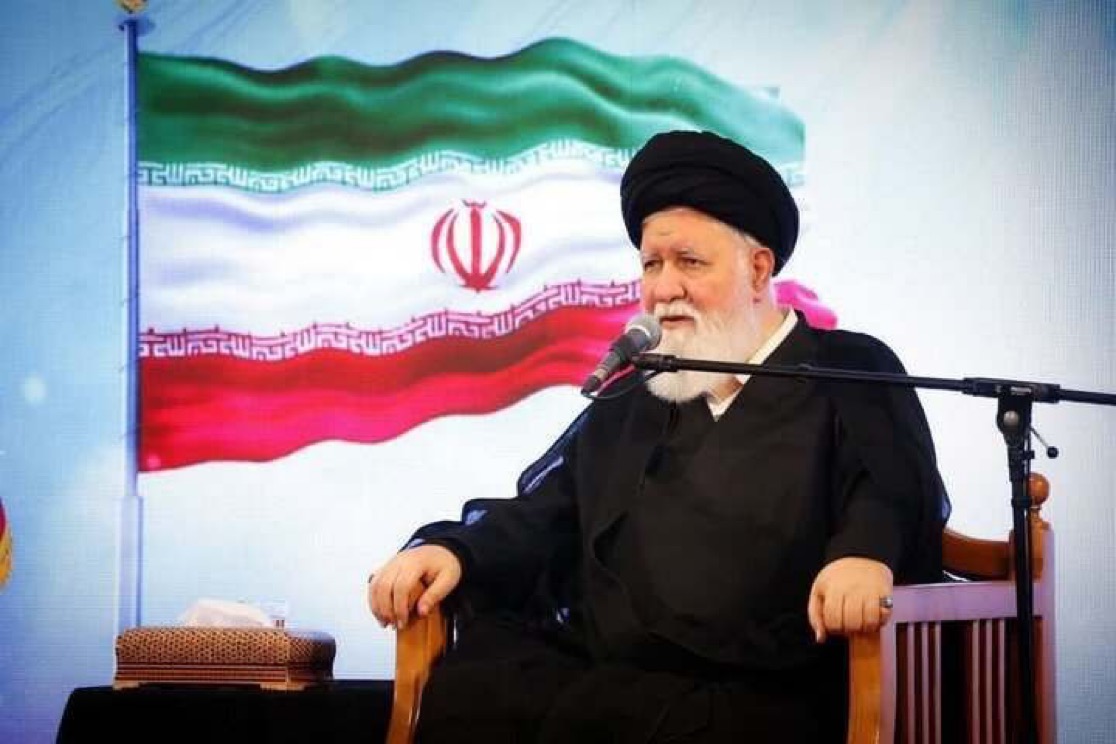
“The vote to appoint the leader has taken place and the leader has been chosen,” senior cleric Ahmad Alamolhoda said, adding that the final declaration will be communicated by the assembly’s leadership once procedural issues are resolved. 
Leadership transition amid conflict
The leadership decision comes at a time of heightened regional tensions following the death of Iran’s long-serving Supreme Leader, Ayatollah Ali Khamenei, who had ruled the Islamic Republic since 1989. 
Iranian officials say security conditions and the ongoing conflict in the region have complicated the process of formally announcing the successor, with some assembly members noting that gathering in person has been difficult. 
Despite the delay in revealing the name, clerics involved in the process say the chosen candidate secured the backing of a majority of the assembly and was selected based on ideological and political criteria considered vital for Iran’s leadership. 
Speculation over successor
Although officials have not confirmed the identity of the new leader, speculation has centred on Mojtaba Khamenei, the son of the late supreme leader, who is believed to wield considerable influence within Iran’s clerical establishment and the Islamic Revolutionary Guard Corps. 
Analysts say the eventual announcement will mark a pivotal moment for Iran’s political system, as the Supreme Leader holds ultimate authority over the military, judiciary and major state policies.
Under Iran’s constitution, the Assembly of Experts has the exclusive authority to appoint, supervise or dismiss the Supreme Leader — a process that has only occurred once before, when Ali Khamenei was chosen to succeed Ayatollah Ruhollah Khomeini after the 1979 Islamic Revolution. 
Officials have not indicated when the identity of the newly chosen leader will be publicly revealed.
Leave a Reply
You must be logged in to post a comment.