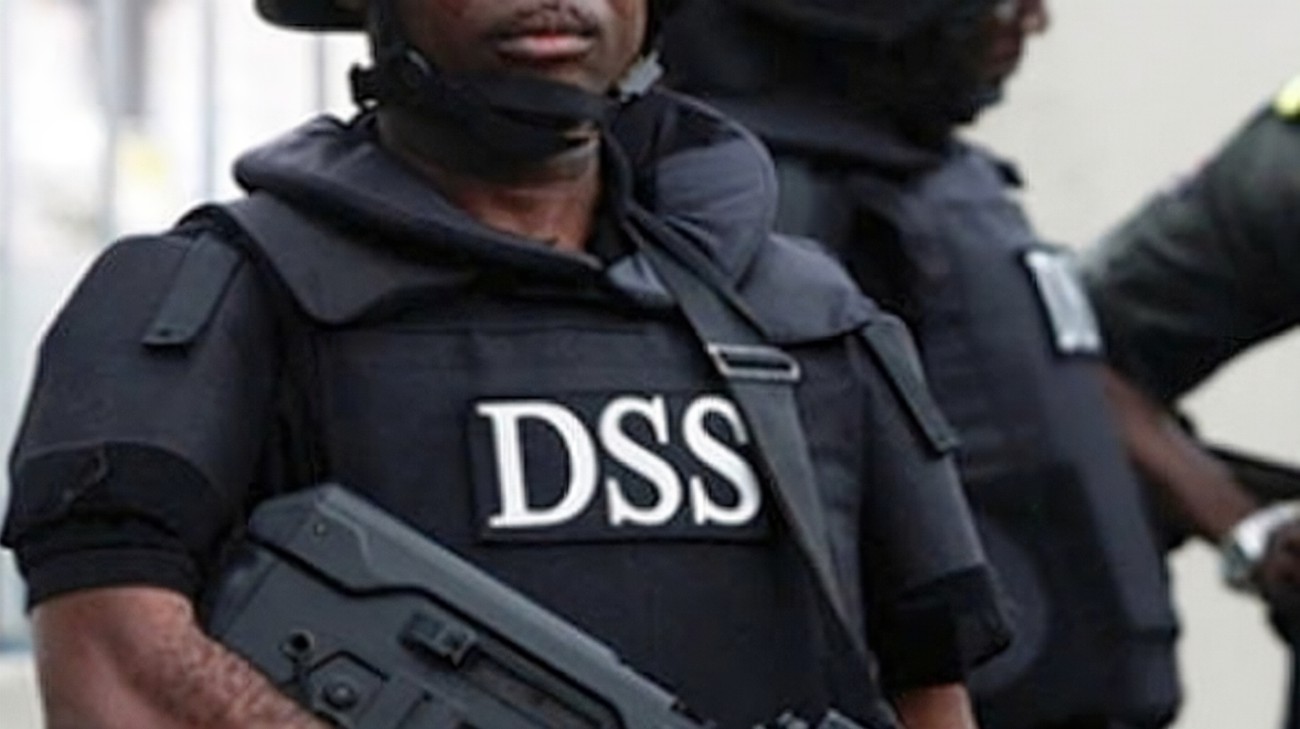
Two years of anguish and uncertainty have finally yielded answers. The Department of State Services has arrested the suspected gang leader and his accomplice in connection with the kidnapping and murder of Professor Ekanem Philip Ephraim, a renowned neurologist, whose abduction in July 2023 sent shockwaves through Nigeria’s medical profession and triggered nationwide protests. The breakthrough comes as a significant development in a case that exposed vulnerabilities in the security of healthcare professionals and highlighted the desperation facing Nigeria’s medical sector.
The primary suspect, Patrick Essien Etim, 23, and his accomplice, Bassey Antiha Asuquo, 40, were apprehended on Saturday, 27 December 2025, at a medical facility in Cross River State whilst they were reportedly planning to kidnap another healthcare professional. According to a credible security source familiar with the operation, the two men have confessed to the crime and admitted that they killed the professor after collecting multiple ransom payments from her family.
Professor Ephraim’s abduction on 13 July 2023 remains etched in the memory of Nigeria’s healthcare community as a watershed moment that exposed the physical dangers facing medical practitioners in the country. The 54-year-old consultant neurologist was taken from her private clinic located at Atimbo Road in Calabar, Cross River State, when four armed men posing as patients entered the facility at approximately 9:00 pm. The brazen nature of the crime—targeting a doctor in her own workplace—sent tremors through the medical profession.
The abduction immediately sparked statewide protests across Cross River State organised by the state chapter of the Nigeria Medical Association. Demonstrating the severity of the situation and their commitment to seeing the professor rescued, medical doctors embarked on an indefinite strike that lasted over a week and significantly disrupted healthcare delivery in the state. The strike reflected the profession’s deep concern not merely for one colleague, but for the broader crisis of insecurity threatening medical practitioners across Nigeria.
The psychological toll on her family and colleagues was immense. As a security source disclosed regarding the breakthrough, “It has been two years of torment for her loved ones, not knowing what happened to the professor. I believe that, with this arrest, her family and loved ones will be able to finally have some peace and the much needed closure that they deserve.”
The investigation into the kidnapping eventually revealed a more extensive criminal operation than initially suspected. Beyond the abduction and murder of Professor Ephraim, the same gang, operating alongside a third suspect identified as Isaac Ekpeyong who was also arrested by DSS operatives, had engaged in a string of other kidnappings targeting vulnerable individuals. The group also admitted to vandalising electricity cables, suggesting involvement in crimes that extended beyond ransom kidnappings and into economic sabotage.
The presence of multiple victims and the sustained nature of their criminal enterprise points to an organised network that operated with relative impunity before the DSS intensified its investigation. The fact that the suspects were apprehended whilst planning yet another kidnapping at a medical facility demonstrates the ongoing threat that healthcare professionals continue to face.
The DSS had maintained continuous surveillance of the kidnap ring since Professor Ephraim’s death in July 2023. The two-year investigation, conducted with considerable operational secrecy, finally yielded concrete results when operatives moved to apprehend the suspects during what appeared to be an active kidnapping attempt. This approach represents a shift in the agency’s operational methodology.
Commenting on the breakthrough, a security source stated that the arrest “underscores the commitment of the DSS in reverting to covertness in its operations and restoring public safety across the country.” This observation suggests that the agency has been adjusting its tactical approach, moving away from publicly visible operations toward intelligence-driven, covert investigations that culminate in arrests at critical moments.
The case of Professor Ephraim became symbolic of broader anxieties within Nigeria’s medical profession. The abduction occurred against a backdrop of persistent security challenges affecting healthcare workers, migration of medical professionals abroad, and systemic pressures on the health sector. According to available data, over 60 per cent of Nigerian doctors practise abroad, a migration pattern driven by insecurity, poor working conditions, and inadequate remuneration.
The incident also highlighted the vulnerability of private healthcare facilities, which often lack the security measures present in larger institutional settings. Many medical practitioners operate private clinics in residential or semi-commercial areas with minimal security infrastructure, making them vulnerable to organised criminal groups.
Leave a Reply
You must be logged in to post a comment.