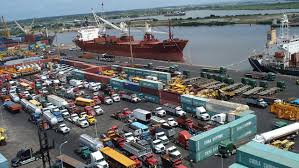
Nigeria’s rising cost of living is getting worse due to inefficiencies, corruption, and outdated systems at the nation’s ports adding as much as 40 per cent to the price of goods, maritime experts have warned.
At a high-level conference hosted by the Lagos Chamber of Commerce and Industry (LCCI), stakeholders across the freight and shipping industry painted a grim picture of how port congestion, high fees, and bureaucratic delays are undermining economic growth, stifling trade, and worsening inflation nationwide.
“The cost of doing business in Nigeria is simply too high. Broken supply chains, from the ports to the hinterlands, are affecting productivity and investor confidence,” said Mr Gabriel Idahosa, President of the LCCI, during the event themed ‘From Ports to Prosperity: Fixing the Links in Nigeria’s Supply Chain’.
According to Idahosa, port inefficiency is not just a maritime sector issue it’s a national economic crisis. He cited the lack of infrastructure, manual cargo handling, outdated port equipment, and overlapping regulatory agencies as major roadblocks.
“Businesses face avoidable losses due to poor road links, limited rail connectivity, insecurity, and constant extortion at checkpoints. These challenges multiply across sectors, from food to pharmaceuticals,” he added.
Also speaking, Dr Pius Akutah, Executive Secretary of the Nigerian Shippers’ Council, noted that although Nigeria handles over 80 per cent of West Africa’s maritime trade by volume, the country is yet to harness the full benefits of its strategic position due to systemic failures.
“Most ports in advanced economies have fully digital systems. In Nigeria, we are still stuck with manual processes, corruption, and a fragmented logistics system,” he said.
Stakeholders further decried the lack of an integrated national data system, uncoordinated port operations, and the absence of a streamlined end-to-end supply chain. As a result, importers, exporters, and businesses across the country bear the brunt through longer delays and inflated logistics costs.
Experts at the event called on the Federal Government to implement a unified port digitalisation platform, overhaul infrastructure, and reduce red tape across agencies to ease trade and strengthen the economy.
Nigeria currently ranks among the countries with the highest logistics costs globally, and analysts warn that until the ports are fixed, any talk of tackling inflation or improving ease of doing business may remain a pipe dream.
Leave a Reply
You must be logged in to post a comment.